
Vegan Cookies are a staple in my transitional baking routine, especially during those shoulder months like early spring when you’re still craving something cozy but ready for brighter flavors. These plant-based treats bridge the gap perfectly between seasons.
Your Perfect Transition Season Treat
- Between-Season Flexibility – This recipe adapts beautifully to whatever you’re craving, whether it’s a cozy late winter treat or an early spring delight.
- Plant-Based Baking Made Simple – No complicated egg substitutes or hard-to-find ingredients, just straightforward dairy-free cookie goodness.
- Ready in Under 30 Minutes – Perfect for those transitional days when you want homemade comfort without spending hours in the kitchen.
- Adaptable to Seasonal Cravings – Easily swap chocolate chips for dried cranberries or nuts depending on what feels right for the shifting season.
Table of Contents
- Quick Baking Time That Fits Any Schedule
- Adapting Your Vegan Cookies for Special Diets
- My Secret Tips for Perfect Vegan Cookies
- Why These Vegan Cookies Are Better For You
- Creating a Lighter Version of Your Vegan Cookies
- Serving Your Vegan Cookies with Seasonal Flair
- Common Vegan Cookie Mistakes (And How to Avoid Them)
- Storing Your Vegan Cookies for Lasting Freshness
- More Plant-Based Treats for Every Season
- Frequently Asked Questions
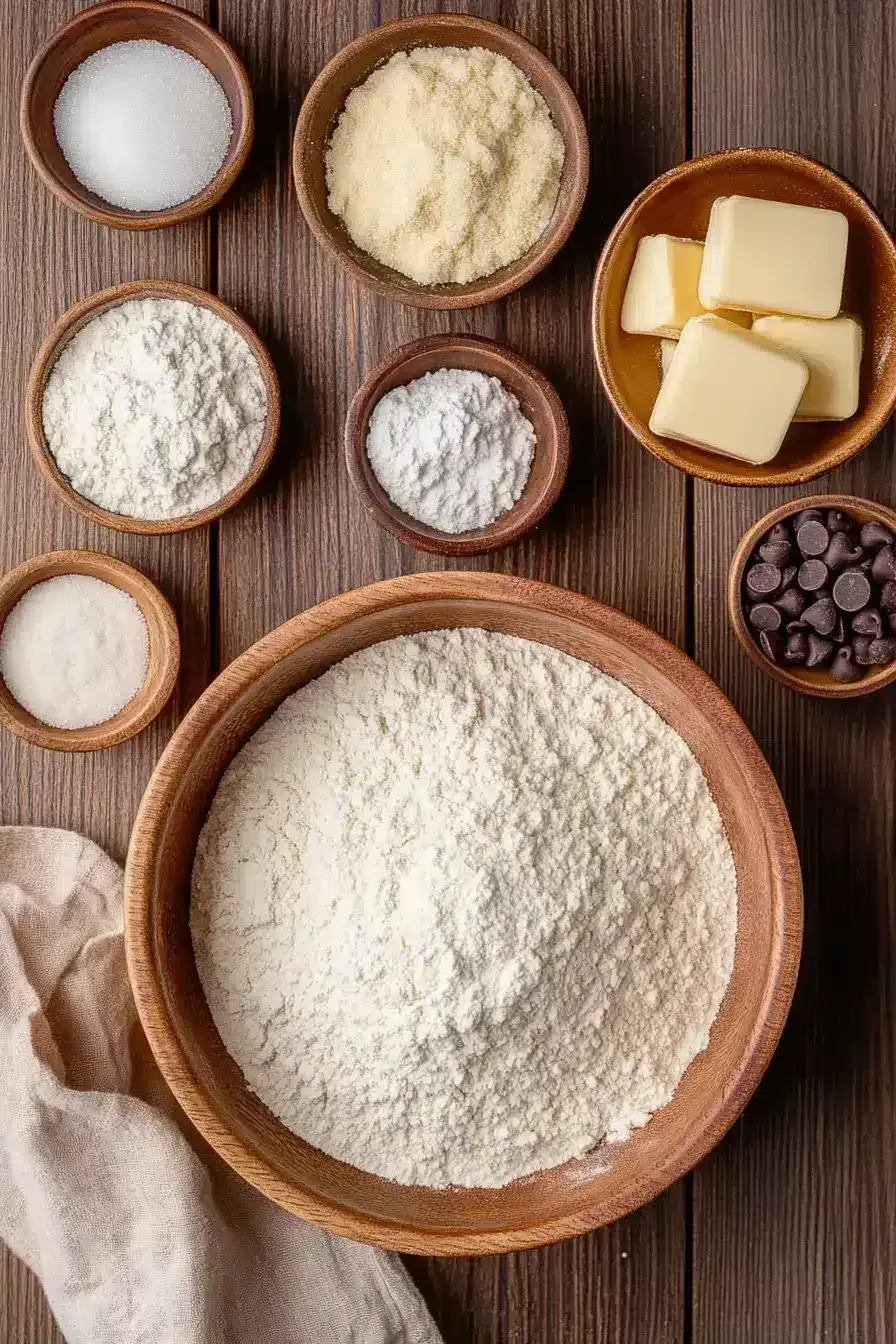
What You’ll Need for Your Vegan Cookies
For the Cookie Dough
- Vegan butter – Use the stick variety rather than tub spreads for better cookie structure.
- Granulated sugar – Creates that perfect crisp edge while keeping the center soft.
- Brown sugar – Adds moisture and that rich, caramel-like flavor we all love in cookies.
- Unsweetened applesauce – My favorite natural egg replacer that also keeps the cookies wonderfully moist.
- Vanilla extract – Enhances all the other flavors and gives that classic cookie aroma.
Dry Ingredients & Mix-ins
- All-purpose flour – The foundation that gives your vegan cookies their perfect texture.
- Baking soda – Helps the cookies rise properly and spread just the right amount.
- Salt – Balances the sweetness and makes all the flavors pop.
- Vegan chocolate chips – Look for dairy-free chips that hold their shape during baking.
Quick Baking Time That Fits Any Schedule
One of the things I love most about these Vegan Cookies is how quickly they come together. With just 15 minutes of prep time and 12 minutes of baking, you’ll have warm cookies ready in under 30 minutes total.
This makes them perfect for those transitional evenings when you want something homemade but don’t have hours to spend in the kitchen. The timing works beautifully whether you’re baking after work on a busy weekday or whipping up a quick treat during a lazy weekend. I find this quick baking schedule particularly helpful during shoulder seasons like early spring, when daylight lasts longer but evenings still call for cozy comforts.
Compared to many other cookie recipes that require chilling time, these come together almost instantly. The simplicity means you can satisfy cookie cravings whenever they strike, making plant-based baking accessible even on your busiest days.
Adapting Your Vegan Cookies for Special Diets
As someone who bakes for friends with various dietary needs, I’ve learned how versatile these Vegan Cookies can be. For sugar-conscious or diabetic-friendly versions, consider these simple swaps that maintain the delicious cookie experience while being mindful of blood sugar levels.
Replace the granulated sugar with a natural sweetener like stevia or xylitol, which have lower glycemic impact. You could also reduce the total sugar by about 25% without dramatically affecting texture. For portion control, I sometimes make smaller tablespoon-sized cookies – they’re perfectly satisfying while being sugar conscious.
Another option is to use mashed ripe banana instead of applesauce, which adds natural sweetness while reducing the need for added sugars. Remember that any substitution will slightly change the texture, so I recommend trying a small batch first to see how you like the results.
My Secret Tips for Perfect Vegan Cookies
After testing this recipe through multiple season transitions, I’ve discovered several tricks that make these Vegan Cookies truly exceptional. These small adjustments can transform your plant-based baking results.
Flavor Swaps for Seasonal Variety – Instead of chocolate chips, try dried cranberries for a tart contrast or chopped pecans for earthy richness. During early spring, I love adding lemon zest for a bright, fresh twist.
Texture Perfection – Don’t overmix the dough once you add the flour. Mix just until no dry streaks remain – overmixing develops gluten and can make cookies tough rather than tender.
Diet Flexibility – For gluten-free versions, use a 1:1 gluten-free flour blend. The applesauce helps bind everything together beautifully, making this one of the more forgiving egg-free cookies to adapt.
Storage Wisdom – These cookies keep wonderfully in an airtight container for up to 5 days. For longer storage, freeze the dough balls on a baking sheet before transferring to a freezer bag – then bake straight from frozen, adding 1-2 minutes to the baking time.
Why These Vegan Cookies Are Better For You
What I appreciate about these Vegan Cookies goes beyond just their delicious taste. By using plant-based ingredients, they naturally offer some nutritional advantages over traditional cookies while still feeling indulgent.
Since we’re using vegan butter alternatives instead of dairy butter, these cookies contain no cholesterol. The applesauce not only replaces eggs but adds natural fiber and moisture without additional fat. Compared to many conventional cookies, this recipe tends to be lower in saturated fats while still delivering that classic cookie satisfaction.
These Vegan Cookies can be part of healthy cookie recipes when enjoyed in moderation. The plant-based foundation means they’re naturally free from animal products, and you can further boost nutrition by using whole wheat flour or adding oats. I often recommend these to friends looking for dairy-free cookies that don’t sacrifice flavor. According to the Harvard T.H. Chan School of Public Health, reducing saturated fat intake can be beneficial for heart health when part of an overall balanced diet.
Creating a Lighter Version of Your Vegan Cookies
If you’re looking to make these already wholesome Vegan Cookies even lighter, I’ve got some proven tweaks that maintain the delicious results. These adjustments work particularly well during seasonal transitions when we’re often rethinking our eating habits.
Replace half the vegan butter with mashed avocado for creamier texture and healthy fats. Use 50% less chocolate chips than the recipe calls for – you’ll still get chocolate in every bite but significantly reduce the sugar content. For even more nutrition, substitute half the flour with whole wheat pastry flour, which adds fiber without making the cookies dense.
These lighter versions still deliver that satisfying cookie experience while aligning with health-conscious goals. The beauty of plant-based baking is how adaptable it can be to different nutritional preferences.
Serving Your Vegan Cookies with Seasonal Flair
I love how these Vegan Cookies transition beautifully between serving occasions. During late fall, nothing beats them warm from the oven with a mug of spiced apple cider. Come early spring, they’re delightful with fresh mint tea as the days gradually lengthen.
For special occasions, sandwich two cookies with vegan ice cream for an incredible ice cream sandwich. Or crumble them over dairy-free yogurt for a quick dessert. I often bring these to gatherings because they appeal to everyone regardless of dietary preferences – nobody guesses they’re plant-based!

The versatility extends to pairing possibilities too. These cookies complement other holiday treats beautifully during festive seasons, or stand alone as a simple pleasure during quieter transitional months. For a elegant presentation, I sometimes drizzle melted vegan chocolate chips over the cooled cookies and sprinkle with sea salt.
Common Vegan Cookie Mistakes (And How to Avoid Them)
Over the years, I’ve seen – and made! – nearly every possible mistake with Vegan Cookies. Learning from these errors has helped me perfect this recipe, and I want to help you avoid the same pitfalls.
Why are my cookies spreading too much? This usually happens when your vegan butter is too soft. It should be softened but still cool to the touch – not melted or oily. Also, make sure your baking soda is fresh, as expired leavening agents won’t provide proper structure.
How can I prevent dry cookies? Don’t overbake them! They continue cooking on the hot baking sheet after removal from the oven. Take them out when the edges are lightly golden but centers still look slightly underdone. Also, measure your flour correctly – spoon it into measuring cups rather than scooping, which can pack in too much flour.
Why don’t my cookies taste sweet enough? Make sure you’re using both granulated and brown sugar as specified. Brown sugar adds moisture and flavor complexity that white sugar alone can’t provide. Also, taste your vegan chocolate chips before baking – some brands are less sweet than others.
I remember one early spring when I experimented with reducing the sugar too much, resulting in cookies that my nephew politely called “interesting.” Learning to balance health considerations with classic cookie expectations has been part of my journey with these plant-based treats. According to King Arthur Baking, proper ingredient temperatures are crucial for vegan baking success since we’re not relying on eggs for structure.
Now when I bake these cookies, they come out perfectly every time – crispy edges, soft centers, and that irresistible homemade taste that makes your kitchen smell amazing. The journey to perfect Vegan Cookies is worth every learning experience along the way.
Storing Your Vegan Cookies for Lasting Freshness
I’ve developed quite a system for storing these Vegan Cookies to maintain their perfect texture. The method varies depending on whether I’m baking for immediate enjoyment or preparing for future cravings during busy seasonal transitions.
For short-term storage, keep cooled cookies in an airtight container at room temperature. They’ll stay fresh for about 5 days. Place a piece of bread in the container – it sounds strange, but the bread helps maintain moisture while the cookies stay crisp. For longer storage, freeze the baked cookies in a single layer before transferring to freezer bags. They thaw quickly at room temperature and taste nearly fresh-baked.
My favorite trick is freezing the dough itself. Scoop individual cookie dough balls onto a baking sheet, freeze until solid, then transfer to a freezer bag. When cookie cravings strike – whether during a rainy April afternoon or a crisp October evening – I can bake just a few at a time. This frozen dough method works beautifully with many cookie varieties and makes spontaneous baking effortless.
Why You Should Make These Vegan Cookies Today
There’s something truly special about pulling a batch of warm Vegan Cookies from the oven. I still remember the first time I perfected this recipe – it was during that transitional period between winter and spring when you’re ready for change but still want comfort food.
What makes these cookies so rewarding is how they bring people together. I’ve served them to dedicated meat-eaters who declared them the best cookies they’d ever eaten. I’ve watched children happily devour them without realizing they’re different from “regular” cookies. And I’ve shared the recipe with friends navigating dietary changes who felt like they’d regained a cherished treat.
The beauty of these Vegan Cookies is their universal appeal. They’re perfect for Valentine’s Day baking, wonderful for spring celebrations, and ideal for any occasion when you want something special that everyone can enjoy. Whether you’re new to plant-based baking or looking to expand your repertoire, this recipe delivers consistent, delicious results that will become a staple in your kitchen.
These Vegan Cookies have become my go-to transitional treat – bridging seasons as beautifully as they bridge dietary preferences. I hope they bring as much joy to your kitchen as they have to mine.
More Plant-Based Treats for Every Season
If you enjoyed these versatile vegan cookies, you might love exploring other plant-based desserts that transition beautifully between seasons. From fruity spring delights to cozy winter comforts, there’s always something new to discover in the world of dairy-free baking.
Purple Crinkle Cookies – stunning violet cookies with a powdered sugar coating that cracks beautifully during baking
Strawberry Cookie Boats – delightful fruit-filled cookies perfect for early summer berry season
Strawberry Sugar Crinkle Cookies – pretty pink cookies with a crackled sugar surface
Sparkling Strawberry Sugar Cookies – festive cookies with a glittery strawberry-infused sugar coating
Frequently Asked Questions
What can I use instead of applesauce in vegan cookies?
You can substitute mashed banana, pumpkin puree, or commercial egg replacer for the applesauce in these Vegan Cookies. Each alternative will slightly change the flavor profile – banana adds sweetness, pumpkin offers earthy notes, while egg replacer maintains neutral flavor. The texture may vary slightly, but all work well as binding agents in plant-based baking.
Can I make vegan cookies without vegan butter?
Yes, coconut oil works beautifully as a substitute for vegan butter in these cookies. Use refined coconut oil for neutral flavor or unrefined for subtle coconut notes. The texture will be slightly different – coconut oil tends to make cookies crisper – but you’ll still get delicious results. This substitution makes your Vegan Cookies even more accessible if you’re avoiding processed ingredients.
How do I make my vegan cookies chewier?
For chewier Vegan Cookies, use more brown sugar than white sugar and don’t overbake them. Remove from the oven when the edges are set but centers still look slightly underdone. Let them cool completely on the baking sheet – they’ll continue cooking from residual heat, resulting in softer, chewier texture. Chilling the dough for 30 minutes before baking can also help develop chewier cookies.
Can I freeze vegan cookie dough?
Absolutely! Freezing vegan cookie dough works wonderfully. Scoop individual dough balls onto a parchment-lined baking sheet, freeze until solid, then transfer to freezer bags. When ready to bake, place frozen dough balls on baking sheet and add 1-2 minutes to baking time. This method lets you enjoy fresh-baked Vegan Cookies whenever the craving strikes, making plant-based baking more convenient than ever.