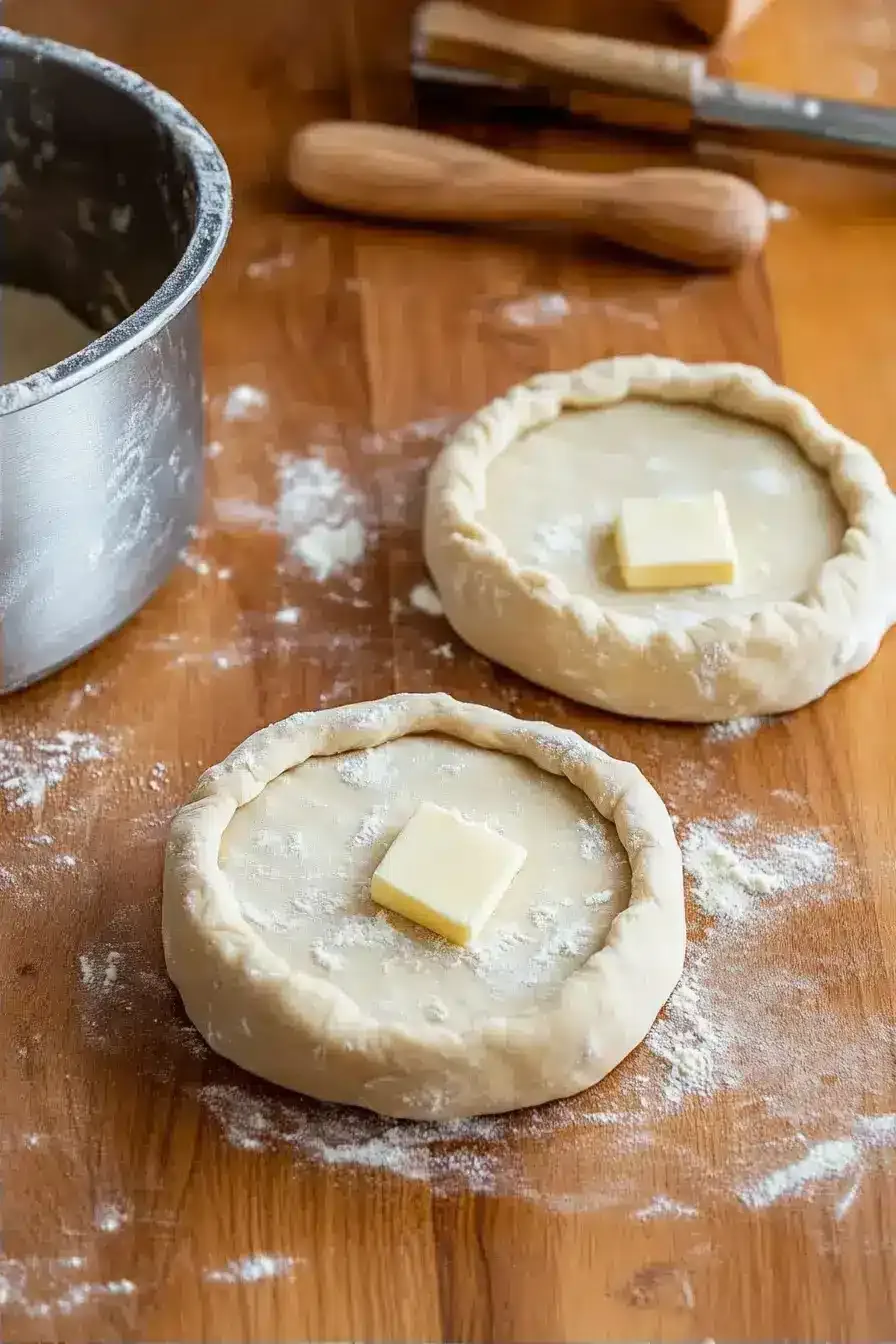
Mastering a perfect Pie Dough is a seasonal cook’s secret weapon, turning summer’s berry bounty or fall’s apple harvest into a truly memorable dessert. This guide walks you through a flaky, tender crust that celebrates peak freshness.
Your Go-To Seasonal Crust
- Peak Harvest Flavor – A buttery, flaky foundation that lets seasonal fruits shine.
- Simple, Fresh Ingredients – Just All-Purpose Flour, Cold Butter, and a few pantry staples.
- Freezer-Friendly for Busy Seasons – Make a batch ahead to capture freshness anytime.
- Farmers Market Ready – The perfect vehicle for whatever’s fresh at the market this week.
Table of Contents
- Timing Your Perfect Seasonal Crust
- Thoughtful Tips for Special Diets
- My Farmers Market Secrets for Flaky Perfection
- A Closer Look at Your Homemade Crust
- A Lighter Take on a Classic
- Celebrating the Seasons with Your Crust
- Common Pie Dough Hurdles and How to Clear Them
- Making Your Crust Last Through the Season
- More From-Scratch Baking Favorites
- Frequently Asked Questions
What You’ll Need for Your Perfect Pie Dough
For the Dough
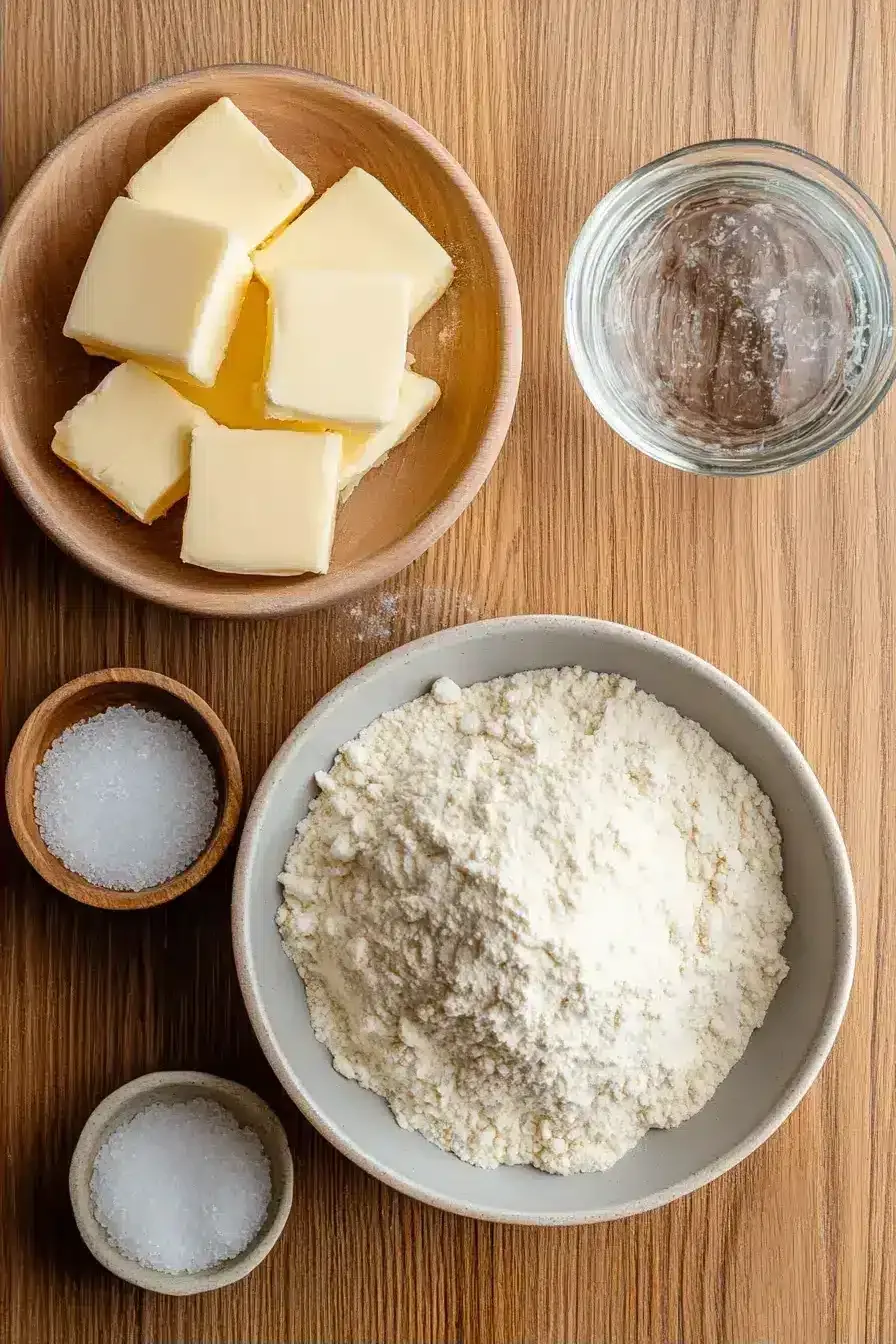
- 2 1/2 cups all-purpose flour – the base for your flaky crust.
- 1 teaspoon salt – enhances flavor throughout the dough.
- 1 tablespoon granulated sugar – adds subtle sweetness.
- 1 cup unsalted butter – cold and cubed for perfect flakiness.
- 1/4 to 1/2 cup ice water – keeps butter cold for tender crust.
Timing Your Perfect Seasonal Crust
One of the joys of this Pie Dough is how it fits into a seasonal cooking rhythm. With just 15 minutes of active prep time, you can have a foundation ready for any fresh filling.
The key to success is the rest time; you’ll need to Refrigerate the dough for at least an hour. I often make a double batch on a quiet Sunday, so I’m ready for a spontaneous apple pie when the craving hits midweek.
Thoughtful Tips for Special Diets
As someone who loves sharing food with everyone, I always consider how to make recipes more inclusive. For a low sugar version of this crust, you can omit the granulated sugar entirely without affecting the texture.
For those monitoring their intake, using a sugar alternative like a stevia blend can work well. Remember, the primary role of sugar here is subtle flavor enhancement, so the dough will still be wonderfully flaky without it.
My Farmers Market Secrets for Flaky Perfection
After years of making pie crusts with the season’s best, I’ve picked up a few tricks. The secret truly is in keeping everything cold and handling the dough with a light touch.
- Flavor Swap: For a savory twist, like a pot pie, add a teaspoon of dried herbs to the flour mixture. It pairs beautifully with a chicken pot pie filling.
- Diet Tweak: For a slightly heartier crust, you can substitute up to half of the All-Purpose Flour with whole wheat pastry flour.
- Texture Fix: If your dough feels too warm or sticky after mixing, don’t be afraid to pop it back in the fridge for 15 minutes before rolling.
- Storage Tip: Wrapped tightly, this dough freezes beautifully for up to 3 months, so you’re always ready for a Thanksgiving pot pie or summer berry galette.
A Closer Look at Your Homemade Crust
When you make your own Pie Dough, you control the ingredients, which is a simple way to make a classic treat a bit more wholesome. Using Cold Butter provides a source of fat that contributes to the flaky layers we all love.
This recipe is a good source of energy and, when paired with nutrient-rich fillings like fruits, becomes part of a balanced indulgence. For another from-scratch baking project, try my buttermilk cornbread or these soft Texas Roadhouse rolls. You can learn more about the role of fats in baking from reputable sources like King Arthur Baking.
A Lighter Take on a Classic
If you’re looking for a slight modification, you can reduce the butter by a tablespoon or two, though this may slightly compromise flakiness. For a completely different but delicious vegan alternative, the crust from my vegan mini pot pies uses olive oil and is wonderfully tender.
Celebrating the Seasons with Your Crust
I love how a single batch of Pie Dough can transform throughout the year. In spring, it cradles sweet rhubarb. In summer, it’s bursting with blueberries. This versatility is what makes baking with the seasons so rewarding.
Serve your pie warm with a scoop of vanilla ice cream for the ultimate comfort dessert. For a fun handheld version, use this dough to make apple hand pies. If you’re serving a crowd, a decadent mud pie is always a showstopper.
Common Pie Dough Hurdles and How to Clear Them
Many home bakers get nervous about a tough crust. The most common mistake is overworking the dough. When you use your Pastry Cutter, stop as soon as you have those pea-sized butter pieces.
Another issue is adding too much Ice Water. Add it gradually; you just want the dough to hold together when pinched. If your crust shrinks a lot during baking, it likely needed more time to Refrigerate before being rolled out.
I remember my first pie crust was a disaster because I used softened butter. Learning to keep everything cold was a game-changer. For more savory pie guidance, check out my vegan shepherd’s pie or this incredibly satisfying cheesy tater tot casserole. For further reading on baking science, Serious Eats has excellent resources.
Making Your Crust Last Through the Season
I often make a double batch of this Pie Dough to have on hand. After shaping into discs and wrapping tightly in plastic, it will keep in the fridge for up to 3 days.
For longer storage, freeze the discs for up to 3 months. Thaw overnight in the refrigerator before rolling. This “pie dough in the freezer” strategy means you’re always ready to bake with whatever looks good at the market.
Your Seasonal Baking Adventure Awaits
There’s nothing quite like the satisfaction of pulling a homemade pie from the oven. This versatile Pie Dough is your ticket to that feeling, no matter the season.
Why not try it this weekend? Pair it with a simple fruit filling for a stunning dessert. If you love baking from scratch, you might also enjoy my gingerbread cookies around the holidays, these classic thumbprint cookies, festive red velvet crinkle cookies, or rich chocolate crinkle cookies. For a savory pasta night, my vegan stuffed shells are always a hit. Happy baking!
More From-Scratch Baking Favorites
If you loved making your own Pie Dough, you’ll adore these other homemade recipes that celebrate simple, quality ingredients.
Apple Hand Pie – a portable version of the classic, perfect for picnics.
Vegan Mini Pot Pies – individual savory pies with a flaky crust.
Vegan Shepherd’s Pie – a comforting, hearty dish topped with creamy potatoes.
Frequently Asked Questions
What is the secret to flaky pie dough?
The secret to a flaky Pie Dough is keeping your fat (like butter) very cold and leaving small, pea-sized pieces intact in the flour mixture. When the dough bakes, these cold fat pockets melt, creating steam that separates the layers of dough, resulting in that desirable flaky texture.
Can I use a food processor to make pie dough?
Yes, a food processor can make Pie Dough quickly. Pulse the dry ingredients with the cold butter until it resembles coarse crumbs. Be careful not to over-process. Then, pulse in the Ice Water just until the dough begins to clump together.
Why did my pie dough turn out tough?
A tough Pie Dough is often caused by overworking the dough, which develops too much gluten in the All-Purpose Flour. Handle the dough as little as possible, just until it comes together. Using too much water can also lead to a tough crust.
How long should you refrigerate pie dough?
You should Refrigerate your Pie Dough for at least 1 hour, but ideally 2 hours or longer. This chilling time allows the gluten to relax and the butter to firm up again, which prevents shrinkage and helps achieve a flaky crust during baking.