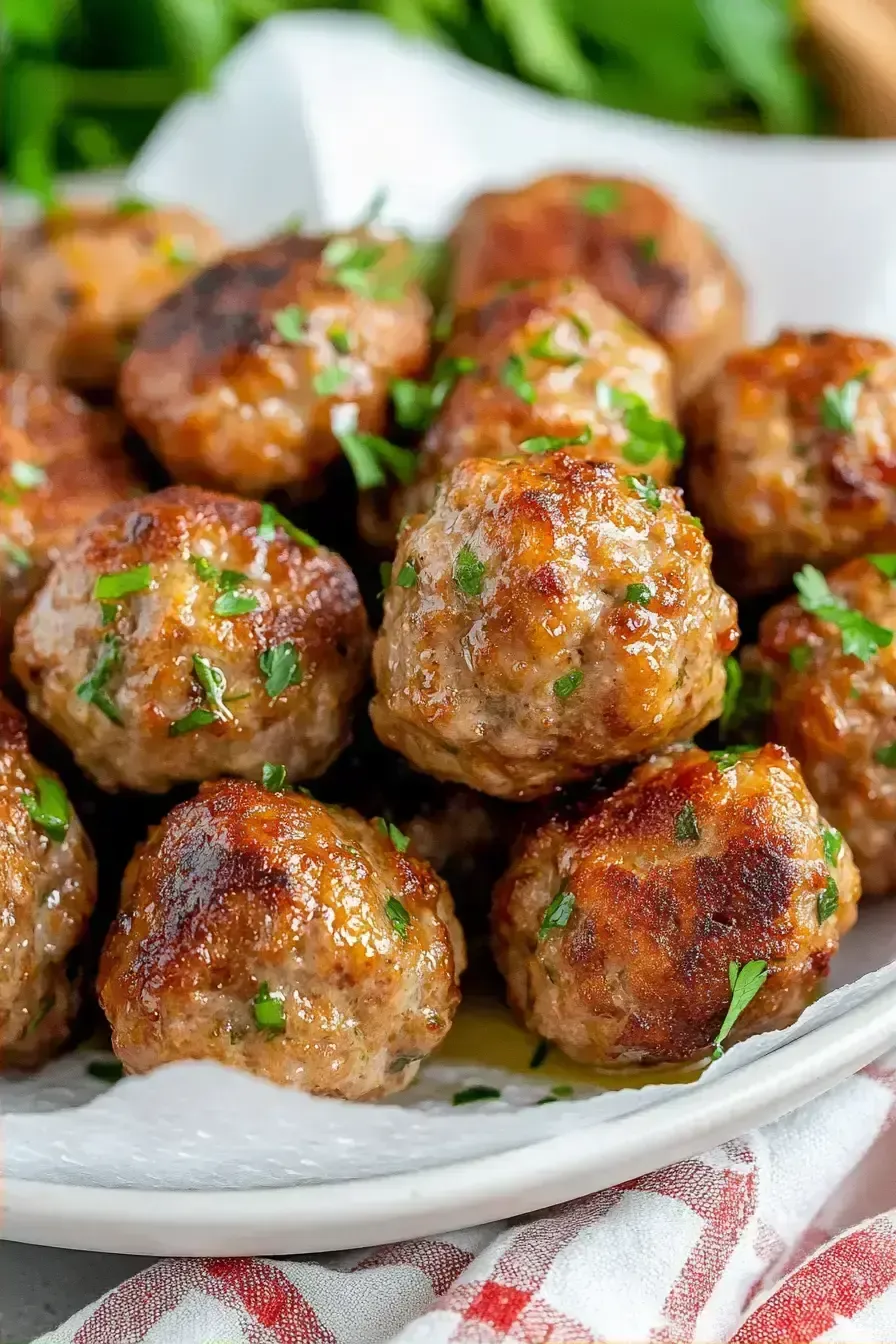
Making perfect Meatballs is one of those kitchen skills that brings comfort no matter the season, turning simple ingredients into a temperature-right dish that satisfies deeply. When a chilly autumn evening calls for something hearty or a summer gathering needs a reliable crowd-pleaser, these homemade meatballs deliver climate comfort food at its finest.
Why These Meatballs Feel Like Home
- Weather-Adaptable Comfort – They simmer beautifully in a cozy sauce for cold nights or can be served lighter with a zesty glaze for warm days.
- Effortless Weeknight Win – With a straightforward process and common ingredients, you can have a satisfying dinner ready in about 30 minutes.
- Perfect Texture Every Time – The blend of beef and pork with a breadcrumb panade creates tender, juicy meatballs that won’t fall apart.
- Foundational Flavor Base – This classic recipe is your perfect starting point for everything from Italian feasts to sweet and sour appetizers.
Table of Contents
- Your Quick Path to Perfect Meatballs
- Thoughtful Tips for Special Diets
- My Secret Tips for Amazing Meatballs
- Nutrition and Health Benefits
- Creating a Lighter Version
- Serving Your Perfect Meatballs
- Common Meatball Mistakes (And How to Avoid Them)
- Storing Your Meatball Creations
- More Cozy Comfort Food Favorites
- Frequently Asked Questions
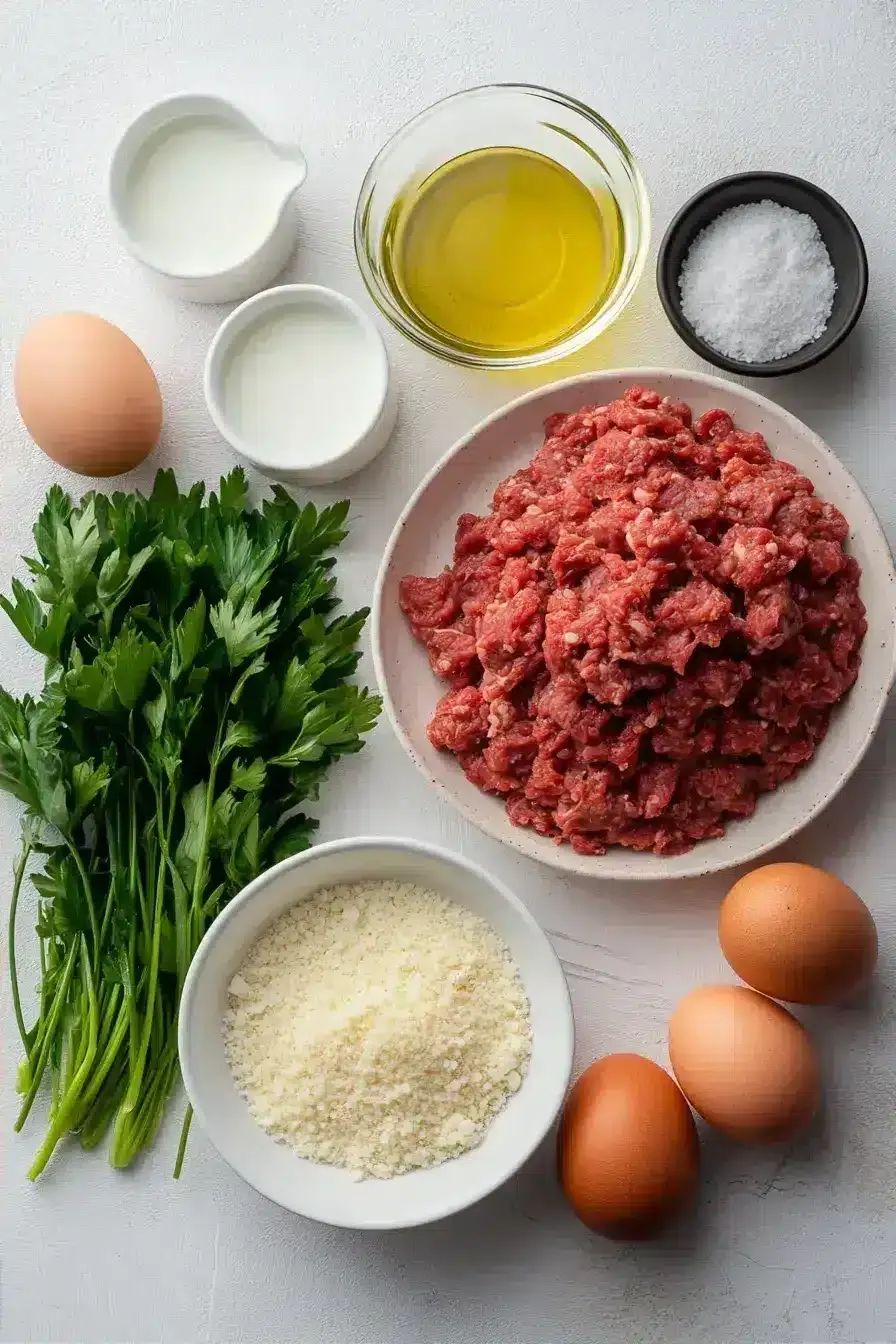
Gathering Your Meatball Ingredients
For the Meatball Mixture
- 1 pound ground beef (80% lean) – Provides a rich, robust flavor that stands up well to cooking.
- 1/2 pound ground pork – Adds wonderful moisture and a subtle sweetness to the mix.
- 1/2 cup breadcrumbs (plain, unseasoned) – Helps bind the ingredients and creates a soft texture.
- 1/4 cup whole milk – Combined with the breadcrumbs to form a panade, which is the secret to tender meatballs.
- 1 large egg (at room temperature) – Acts as the essential binder that holds everything together.
- 1/4 cup grated Parmesan cheese – Brings a savory, umami depth that elevates the entire dish.
- 1 teaspoon garlic powder – Offers consistent, mellow garlic flavor throughout every bite.
- 1 teaspoon onion powder – Provides a sweet, aromatic base note without the texture of fresh onion.
- 1 teaspoon kosher salt – Crucial for seasoning the meat and enhancing all the other flavors.
- 1/2 teaspoon black pepper (freshly ground) – Adds a slight warmth and peppery kick.
- 2 tablespoons fresh parsley (finely chopped) – Introduces a bright, fresh herb note that lightens the richness.
For Cooking
- 2 tablespoons olive oil – Used for pan-frying to achieve a beautifully browned, crisp exterior.
Your Quick Path to Perfect Meatballs
I love how this recipe fits perfectly into a busy week, especially on those nights when you need a weather-perfect meal without a long wait. From start to finish, you’re looking at about 30 minutes, with just 20 minutes of simple prep work and a quick 10-minute cook time. It’s the ideal solution for a last-minute dinner that feels far from rushed.
The hands-on time is minimal, which I appreciate on warmer days when I don’t want to spend hours by the stove. You can have these meatballs ready almost as fast as ordering takeout, but with the wholesome satisfaction of a homemade meal. For another quick and satisfying ground beef idea, check out my easy beef tacos that are also weeknight heroes.
Thoughtful Tips for Special Diets
As a weather-wise cook, I believe everyone should enjoy climate comfort food, so here are some simple adaptations. For a lower glycemic impact, you could use whole-grain or almond flour breadcrumbs instead of traditional ones. The recipe is naturally low in sugar, especially if you pair it with a tomato-based sauce without added sweeteners.
Portion control is another great way to keep things balanced—these meatballs are quite satisfying, so two or three with a large side of vegetables makes a great meal. For a leaner option, you could use ground turkey instead of the beef and pork blend, which I often do for a lighter summer version.
My Secret Tips for Amazing Meatballs
Over the years, I’ve discovered a few tricks that make all the difference between good meatballs and perfect meatballs. First, resist the urge to overmix the meat—just combine until everything is evenly distributed. Overworking the meat can make your meatballs tough instead of tender.
For a flavor twist, try adding a teaspoon of Italian seasoning or a pinch of red pepper flakes to the mix. If you’re watching your carb intake, almond flour can stand in for breadcrumbs beautifully. To ensure even cooking, I always use a cookie scoop to portion the mixture—this gives you uniform meatballs that cook at the same rate. For another dish that benefits from careful portioning, my ground turkey stuffed peppers use a similar approach.
When reheating leftovers, gently warm them in a sauce or broth rather than microwaving alone, which can dry them out. And if you love the combination of flavors in these meatballs, you might enjoy the aromatic profile in my sweet and spicy Thai chicken.
Nutrition and Health Benefits
These homemade meatballs offer a satisfying balance of protein and flavor. The combination of beef and pork provides a good source of complete protein, which is essential for muscle maintenance and keeps you feeling full longer. Using 80% lean beef helps maintain richness while keeping saturated fat in check.
The Parmesan cheese contributes calcium for bone health, while the fresh parsley adds a touch of vitamin K and antioxidants. Compared to pre-made versions, you control the sodium and avoid preservatives. For another protein-packed comfort food, try my Salisbury steak and gravy, which shares similar wholesome qualities. If you’re looking for a different approach to ground meat, my healthy taco salad with ground turkey offers a lighter take. According to the MyPlate guidelines, balancing protein with vegetables makes for a well-rounded meal.
Creating a Lighter Version
For those warmer days when you want something satisfying but not heavy, this recipe adapts beautifully. Simply swap the beef and pork blend for lean ground turkey or chicken to reduce the fat content. You can also bake the meatballs at 400°F for 15-20 minutes instead of pan-frying to minimize added oil.
Using whole-wheat panko breadcrumbs adds fiber, and increasing the fresh parsley or adding finely chopped spinach boosts the nutrient profile. These tweaks create a lighter dish that still delivers on the comfort factor. For another lightened-up favorite, my ground turkey broccoli pasta follows a similar philosophy.
Serving Your Perfect Meatballs
I love how versatile meatballs are across seasons—they truly are weather-perfect meals. On a crisp fall evening, nothing beats serving them simmered in a rich marinara sauce over a bed of spaghetti. When summer heat hits, I’ll often serve them slightly cooler as an appetizer with a tangy lemon-herb dipping sauce.
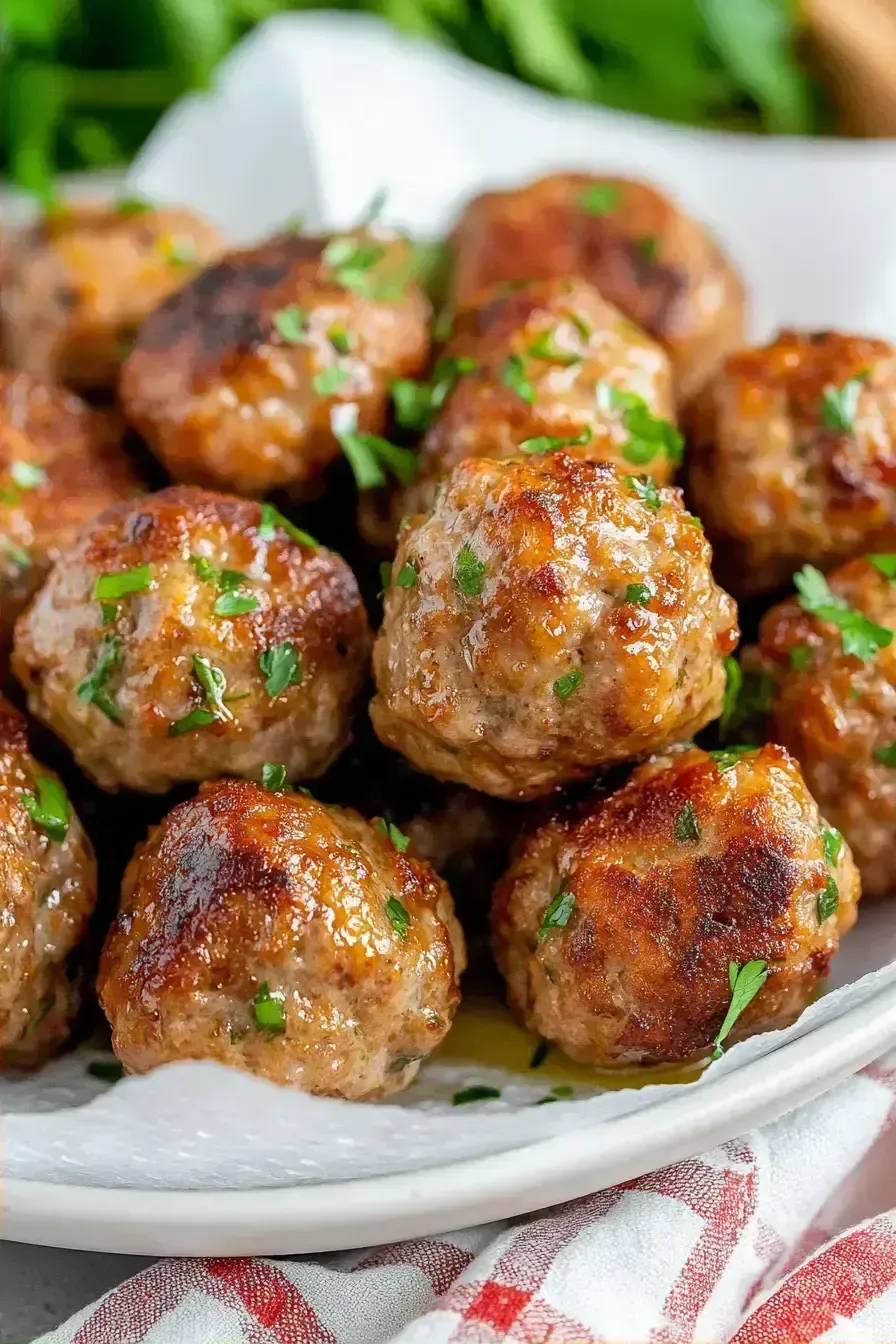
For a cozy winter meal, pair them with creamy mashed potatoes and a ladle of hearty gravy. They’re also fantastic in a sub sandwich with melted provolone for a casual weekend lunch. However you serve them, these meatballs bring people together. For another classic comfort pairing, try my one-pan chicken buttered noodles. If you’re planning a larger feast, my smothered chicken and rice makes a wonderful companion dish.
Common Meatball Mistakes (And How to Avoid Them)
Even experienced cooks can run into issues with meatballs, so let’s address some common pitfalls. The first mistake is using meat straight from the refrigerator—cold meat is harder to mix evenly and can result in dense texture. Let your meat sit at room temperature for 15-20 minutes before mixing.
Another frequent issue is overmixing, which develops the proteins too much and creates tough meatballs. Mix just until combined—it’s okay if you see some variation in the mixture. Not using a binding agent like the breadcrumb panade can cause crumbling; this step is non-negotiable for tender results.
Cook your meatballs in batches if necessary—crowding the pan steams them instead of browning. And finally, don’t skip the resting step after mixing; 5-10 minutes helps the breadcrumbs fully hydrate. For another recipe where technique matters, my chicken fried steak relies on similar careful preparation. The Food Network has great visual guides if you’re new to meatball making.
I remember one particularly disastrous attempt early in my cooking journey where I skipped the panade entirely—let’s just say we had “meat crumbles” instead of meatballs! Learning these simple techniques transformed my results completely.
Storing Your Meatball Creations
One of my favorite things about making meatballs is how well they store for future easy meals. After a long day, knowing I have these ready to go feels like a gift from my past self. Let them cool completely before storing to maintain texture and prevent condensation.
In the refrigerator, they’ll keep well in an airtight container for 3-4 days. For longer storage, freeze them in a single layer on a baking sheet before transferring to freezer bags—they’ll keep for up to 3 months. Reheat gently in sauce or broth to restore moisture. For another make-ahead favorite, my beef stew also freezes beautifully for future cozy meals.
Why You Should Try This Meatball Recipe
This recipe represents the kind of cooking I love most—approachable, adaptable, and deeply satisfying regardless of what’s happening outside your window. Whether you’re cooking for a family dinner or meal prepping for the week ahead, these meatballs deliver consistent results that feel both special and comforting.
I’ve served these to everyone from skeptical toddlers to discerning foodie friends, and they never fail to please. The process is simple enough for a weeknight but rewarding enough for weekend cooking. Once you master this basic recipe, you’ll find yourself making variations all year round. For another foundational recipe, try my chuck roast for another comfort classic. If you enjoy the beefy flavor here, my beef stew recipe offers a different take on comfort. And for a Greek-inspired variation, don’t miss my Greek meatballs with lemon sauce.
Really, making great meatballs is about embracing the process and enjoying the delicious results. This recipe has become my go-to for so many occasions, and I hope it becomes yours too.
More Cozy Comfort Food Favorites
If you loved these meatballs, you might enjoy exploring these other hearty dishes that bring warmth and satisfaction to your table throughout the year.
Hamburger Soup – A wonderfully comforting bowl that transforms simple ingredients into a meal that feels like a warm hug on a chilly day.
Black Pepper Chicken – For when you’re craving something with bold flavor and a little spice, this dish delivers big taste with minimal effort.
Frequently Asked Questions
What is the secret to tender meatballs?
The secret to tender meatballs is using a panade—a mixture of breadcrumbs and milk—which keeps them moist and soft. Also, avoid overmixing the meat and handle it gently when forming the balls. Cooking them to the right internal temperature (160°F) ensures they’re cooked through but not dried out.
Should you bake or fry meatballs?
Frying creates a beautifully browned, crisp exterior that adds texture and flavor, which is why I prefer it for this recipe. Baking is a great hands-off method that works well for larger batches. Both methods produce delicious meatballs, but frying gives you that classic restaurant-quality crust.
Is it better to use milk or water in meatballs?
Milk is definitely better than water in meatballs because the fat content adds richness and helps tenderize the meat. The proteins and sugars in milk also contribute to browning during cooking. Water can hydrate the breadcrumbs but won’t provide the same flavor or texture benefits.
What is the best binder for meatballs?
The best binder for meatballs is a combination of breadcrumbs and egg. The breadcrumbs absorb moisture and provide structure, while the egg proteins coagulate during cooking to hold everything together. This combination creates meatballs that are tender yet hold their shape perfectly during cooking.