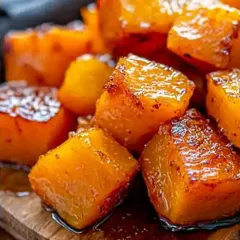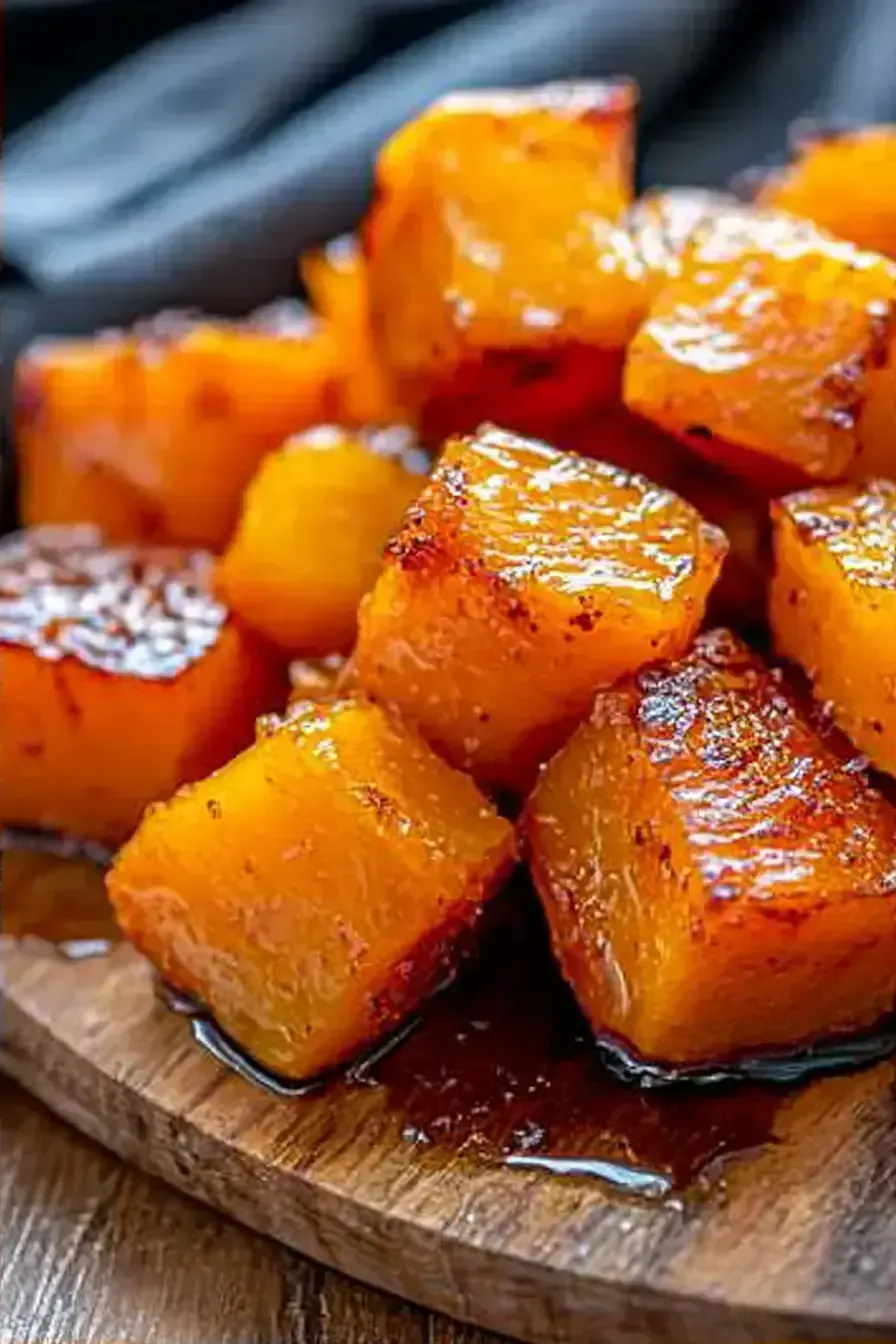
This Butternut Squash recipe is a perfect transitional dish for late winter into early spring, bridging the gap between hearty cold-weather meals and lighter seasonal fare. It’s incredibly simple to make, requiring just a few wholesome ingredients and about 45 minutes from start to finish for a delicious, oven roasted squash that feels both comforting and fresh.
Your New Go-To Side Dish
- Easy Weeknight Win – With minimal prep and hands-off roasting, this recipe fits perfectly into a busy schedule.
- Naturally Sweet & Savory – The combination of warm spices and a touch of maple syrup creates a complex flavor profile.
- Meal-Prep Friendly – This roasted butternut squash holds up beautifully in the fridge, making it ideal for weekly planning.
- Seasonally Adaptable – It works just as well for a cozy February dinner as it does for an early March gathering.
Table of Contents
- Ready in Less Than an Hour: Your Timing Breakdown
- Thoughtful Tips for Special Diets
- My Pro Tips for the Best Roasted Butternut Squash
- Nutrition and Health Benefits of Butternut Squash
- A Lighter Version for Early Spring Evenings
- How to Serve Your Maple Glazed Squash
- Common Mistakes to Avoid for Perfect Squash
- How to Store and Enjoy Your Leftovers
- More Cozy Vegetable Sides You’ll Love
- Frequently Asked Questions
What You’ll Need for This Simple Butternut Squash
For the Roasted Squash
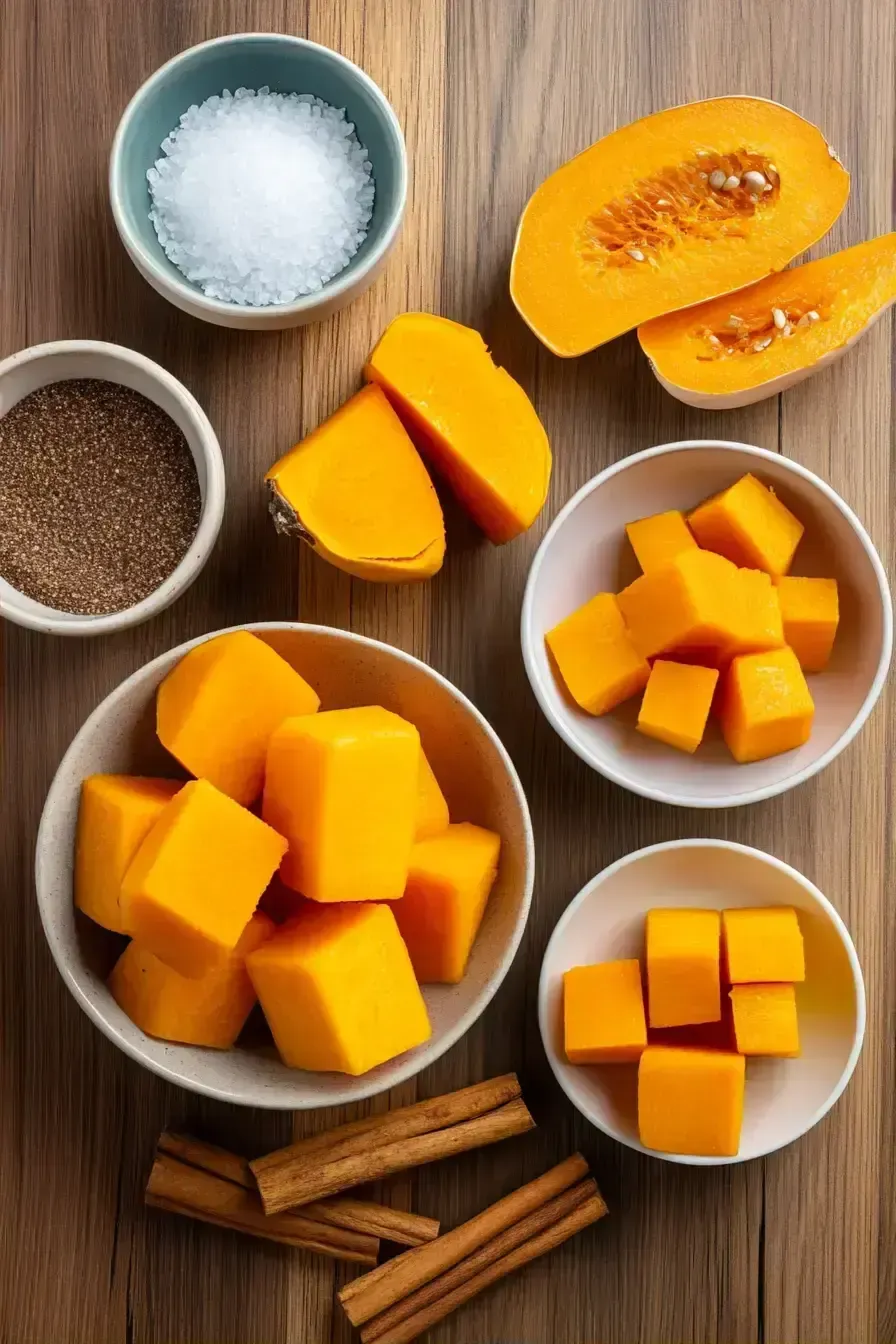
- 1 medium butternut squash – peeled, seeded, and cut into 1-inch cubes for even, easy roasting.
- 2 tablespoons olive oil – helps the squash caramelize perfectly in the oven.
- 1 teaspoon kosher salt – enhances the natural sweetness of the squash.
- 1/2 teaspoon ground black pepper – adds a subtle savory note.
For the Warm Spice Blend
- 1/2 teaspoon ground cinnamon – provides a classic, cozy warmth. 1/4 teaspoon ground nutmeg – adds depth and aromatic flavor.- 1 tablespoon maple syrup – a sweet glaze for the finishing touch.
Ready in Less Than an Hour: Your Timing Breakdown
I love how this butternut squash recipe fits into a transitional weekday evening. The prep time is just 15 minutes, which feels totally manageable even when you’re shifting from a long day. You’ll have the squash cubed and seasoned quickly.
The cook time is about 30 minutes, mostly hands-off while the oven works its magic. This brings the total time to a family-friendly 45 minutes. It’s the perfect pace for late winter, where you still want a warm, comforting dish without spending all evening in the kitchen. For another great oven roasted vegetable option that works in a similar timeframe, check out my sheet pan potatoes and carrots.
Thoughtful Tips for Special Diets
This easy butternut squash recipe is naturally quite adaptable, which is ideal for this time of year when everyone’s needs can be different. If you’re watching your sugar intake, you can easily make this a low sugar version.
For a diabetic-friendly approach, consider omitting the maple syrup or swapping it for a sprinkle of cinnamon. The natural sweetness of the roasted squash is often enough. You could also experiment with a tiny amount of a natural sweetener like stevia. Portion control is another simple way to keep this dish sugar-conscious.
My Pro Tips for the Best Roasted Butternut Squash
After making this dish countless times through the shoulder seasons, I’ve picked up a few tricks to ensure it turns out perfectly every time.
- Flavor Swap: For a savory twist, swap the cinnamon and nutmeg for rosemary and garlic powder. It creates a completely different, equally delicious side dish that pairs wonderfully with heartier mains like my vegan shepherd’s pie.
- Diet Tweak: To make this recipe oil-free, toss the squash cubes in vegetable broth instead of olive oil. They’ll still soften and caramelize nicely.
- Texture Fix: Ensure your squash cubes are all roughly the same size. This is the secret to perfectly even roasting, so you don’t end up with some pieces mushy and others undercooked.
- Storage Tip: Leftovers reheat beautifully. Store them in an airtight container and reheat in the oven or a skillet to maintain that lovely texture, unlike a soup which can become watery. This makes it a great component for vegan stuffed peppers later in the week.
Nutrition and Health Benefits of Butternut Squash
This roasted butternut squash isn’t just tasty; it’s a nutritional powerhouse, which is so welcome as we transition into spring. It’s an excellent source of Vitamin A from beta-carotene, which is great for vision and immune health. It’s also rich in fiber, which aids digestion and helps you feel full and satisfied.
This easy butternut squash recipe is also a good source of Vitamin C and potassium. Compared to other starchy sides, it’s lower in calories while being higher in essential nutrients. For another fiber-rich meal, you might enjoy my lentil vegetable soup. According to the USDA FoodData Central, winter squash like butternut provides significant amounts of these vital vitamins. It’s a wholesome choice that supports overall wellness, much like the ingredients in a hearty winter minestrone soup.
A Lighter Version for Early Spring Evenings
If you’re leaning into lighter meals as the days get longer, you can easily adapt this recipe. For a lower-calorie version, you can reduce the olive oil to just one tablespoon—the squash will still caramelize nicely. If you’re avoiding added sugars altogether, the maple syrup can be skipped; the natural sweetness of the squash really shines through when roasted.
You can also bulk it up into a main course by serving it over a bed of greens or mixing it with a lean protein. It pairs beautifully with the flavors in a bright winter salad for a balanced meal.
How to Serve Your Maple Glazed Squash
I love how versatile this dish is. In late February, I serve it as a warm side with a roast, but by early March, it feels right alongside something lighter. It’s the perfect between-season bridge on your dinner table.
The sweet and savory notes make it a fantastic companion to poultry, like in a roasted butternut squash and turkey bowl, or as a topping for a grain bowl. For a plant-based feast, it’s wonderful with my vegan broccoli casserole. The key is to play with those transitional flavors.
Common Mistakes to Avoid for Perfect Squash
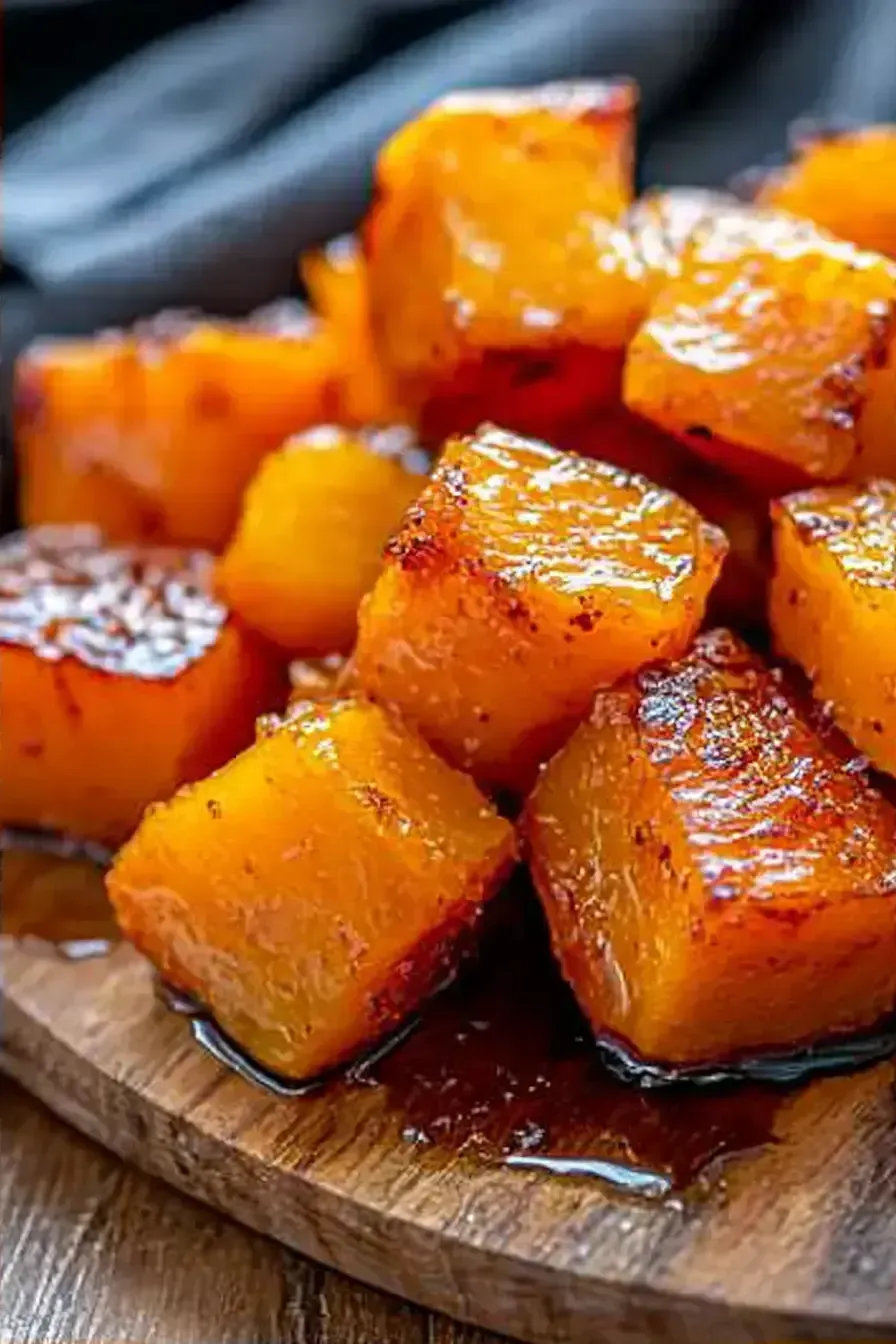
Let’s talk about a few common pitfalls so your butternut squash turns out perfectly. The most frequent issue is overcrowding the pan. If the cubes are too close, they’ll steam instead of roast, and you’ll miss out on that lovely caramelization.
Another mistake is under-seasoning. Don’t be shy with the salt and spices—they are essential for balancing the sweetness. I also recommend not skipping the step of flipping the squash halfway through cooking; this ensures even browning. For more on perfecting roasted vegetables, see my tips for roasted root vegetables. Remember, a sharp knife is your best friend for tackling the tough squash skin safely. The FoodSafety.gov guidelines always emphasize using proper techniques to prevent cuts. I learned the importance of even cutting the hard way with my first roasted spaghetti squash!
How to Store and Enjoy Your Leftovers
This butternut squash recipe makes for fantastic leftovers, which is a lifesaver during busy seasonal shifts. Let the squash cool completely before transferring it to an airtight container. It will keep in the refrigerator for up to 4 days.
To reheat, I prefer the oven or a toaster oven at 350°F for about 10 minutes to restore the texture. You can also add leftover cubes to soups or salads throughout the week. They add a wonderful sweetness and substance to a simple winter salad with pomegranate.
Why You Should Try This Butternut Squash Recipe Now
This recipe is truly a shoulder-month ideal. It captures the coziness of winter while feeling light enough for the approaching spring. It’s incredibly straightforward, rewarding, and fills your kitchen with the most inviting aroma.
I encourage you to give this easy butternut squash recipe a try this week. It’s a dependable side that everyone seems to love. If you’re looking for more comforting plant-based ideas, you might also enjoy my hearty vegetarian pasta bake, my vegan pumpkin pasta for another seasonal twist, or my vegan Thanksgiving pot pie for a hearty centerpiece. This butternut squash is a simple way to make a weeknight meal feel special.
More Cozy Vegetable Sides You’ll Love
If you enjoyed this simple roasted squash, you might be in the mood for other easy vegetable dishes that work year-round. Here are a few more favorites to round out your meals.
Beet and Eggplant Sheet Pan – A vibrant and hands-off side dish with beautiful colors and earthy flavors.
Frequently Asked Questions
What is the best way to peel a butternut squash?
The safest and easiest method is to use a sharp vegetable peeler. First, slice a small piece off the top and bottom so the squash sits flat on your cutting board. Then, peel from top to bottom, following the contour of the butternut squash.
How do you know when butternut squash is done roasting?
Your roasted butternut squash is done when the cubes are tender enough to be easily pierced with a fork and the edges have started to caramelize and turn a deeper golden brown. This usually takes 25-30 minutes in a 400°F oven.
Can you eat the skin of butternut squash?
Technically, the skin of a butternut squash is edible, but it becomes very tough and fibrous when cooked. For the best texture and experience in this butternut squash recipe, it’s highly recommended to peel the squash before cubing and roasting it.
Why is my roasted butternut squash soggy?
Soggy squash is usually caused by overcrowding the baking sheet. If the cubes are too close together, they steam instead of roast. For crisp-tender results, spread the butternut squash in a single layer with space between each piece.